
Your gastrointestinal system or “gut” is full of activity. In its most basic function, it breaks down food, helps your body absorb the nutrients from food and eliminates waste products. It also houses trillions of bacteria (as well as viruses and fungi) known are your “microbiome”, and includes a large network of over 100 million nerve cells to make up your “enteric nervous system”.
There are multiple parts of your digestive system that all work together to digest food, eliminate what your body does not need, and keep your belly feeling good.
Digestive issues can range from symptoms such as acid reflux, bloating or gassiness, constipation while conditions may include GERD (Gastroesophogeal Reflux Disorder), IBS (irritable bowel syndrome), IBD (Inflammatory Bowel Disease, including Crohn’s and Ulcerative Colitis) or allergies such as Celiac Disease.
There is a strong association between the health of your digestive system, and your overall health, and while specific conditions often require individualized nutrition support, there are some basic principles that help your overall digestive health.
Below, we will go through strategies and tips for healthy digestion.
Strategy #1: Eat More Fibre, and More Variety
Fibre is good for your gut for many reasons. First, it helps move food through your system and eliminate effectively. It helps to regular the motiility (movement) of your gi tract. As well, it acts as the “food” for your beneficial bacteria. The more variety you get, the more diverse your gut bacteria becomes, which leads to better health outcomes.
A target from current research is 30 different plant foods per week (Sonnenburg & Spector, ongoing research from the American Gut Project). This sounds like a lot, but it includes ALL foods from plants including vegetables, fruits, whole grains, legumes, nuts, seeds, herbs, and spices.
Fibre-rich foods to include:
Legumes: lentils, chickpeas, black beans, kidney beans
Whole grains: oats, brown rice, quinoa, whole grain bread
Vegetables of all kinds, particularly those with colour variety
Fruit, especially berries, apples, and pears
Nuts and seeds
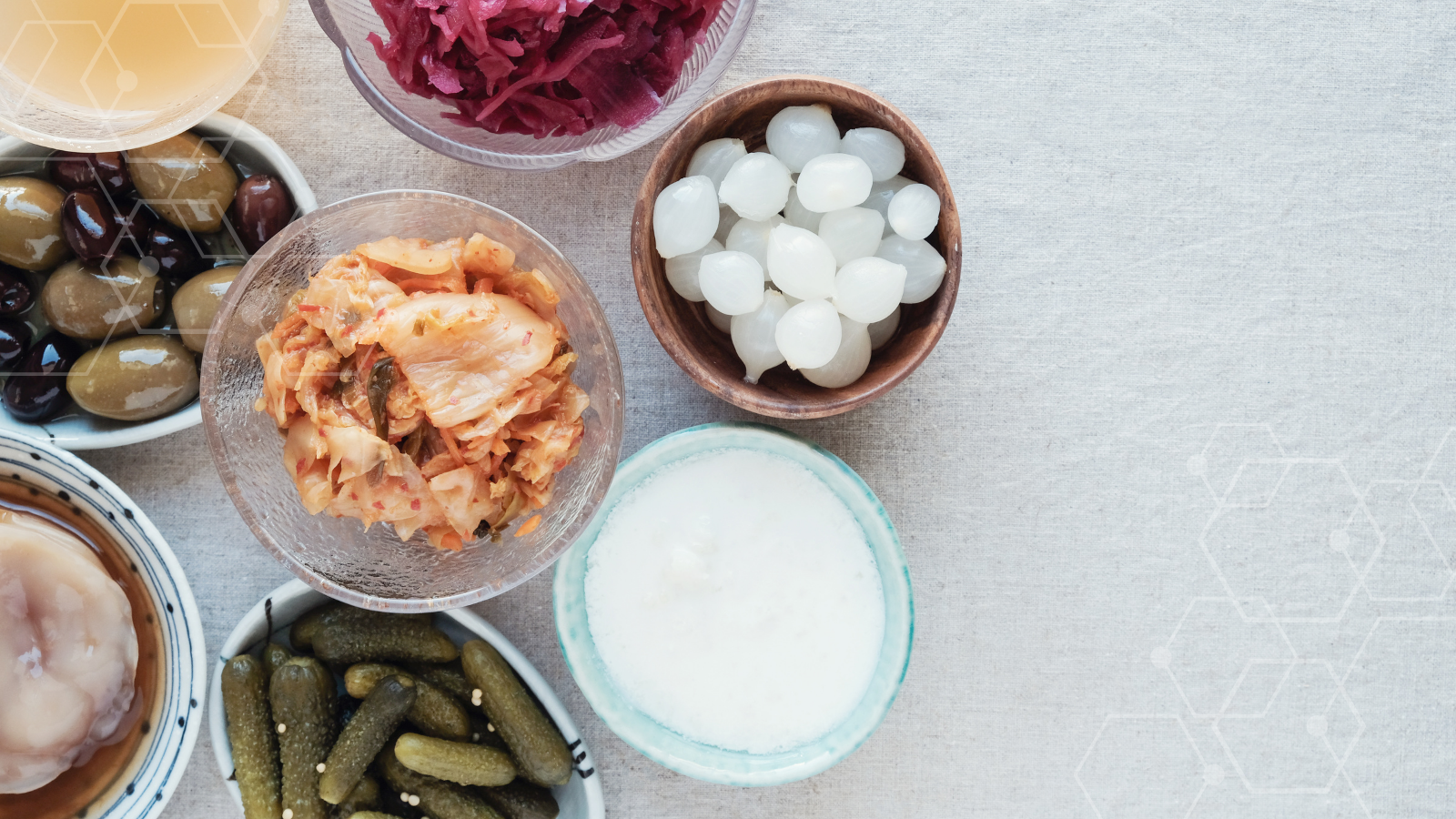
Strategy #2: Include Fermented Foods
Fermented foods contain live bacteria (probiotics) that can contribute to a healthy gut microbiome.
Fermented foods to include:
Plain yogurt with live cultures
Kefir (fermented milk drink)
Sauerkraut (fermented cabbage, unpasteurized)
Kimchi
Kombucha (look for lower-sugar versions)
Miso and tempeh
Strategy #3: Stay Hydrated
Water is essential for healthy digestion. It helps move food through the digestive tract, softens stool, and supports the mucosal lining of the gut. Dehydration is a common contributor to constipation.
The general recommendation is roughly 2 to 3 litres of fluid per day for adults, depending on body size, activity level, and climate (Health Canada).
If you regularly feel bloated or constipated, check your fluid intake before making other dietary changes. I find that for many people, simply drinking more water throughout the day makes a meaningful difference.
Strategy #4: Chew foods well
Digestion starts in your mouth, and you release enzymes as soon as you start to chew. Chewing food not only can help you slow down when eatingbut chewing well allows you to start breaking down food right away. This allows for smaller particles to enter your digestive system, making it easier and less work for your body to break down food.
Strategy #5: Manage Stress
The gut-brain connection is bidirectional. Stress and anxiety affects digestion. Although it is not a dietary factor, it is part of comprehensive gut support and something I always talk about with my clients.
Tip: If you notice your digestive symptoms worsen during stressful periods, that connection is likely there for you. Even brief relaxation practices before meals, like taking a few slow breaths and holding your breath for a few counts, can support the parasympathetic nervous system (the "rest and digest" response) and improve digestion.
Strategy #6: Identify Trigger Foods
If you experience digestive concerns and feel like food may be a trigger, it is helpful (if not critical) to start connecting the dots with the food you are eating. The best way to do this is to keep a food journal and write down what you eat, with your symptoms and the severity of the symptom. E.g. 9:00am, hardboiled egg, 1/2 cup oatmeal, 1 piece toast. 10:00am, bloating (4/10). This is often easier and more helpful to do with a healthcare provider, but it is possible to start to identify your specific food triggers yourself this way.
The Bottom Line
Gut health is not a trend. The health of your digestion affects your nutrient absorption, symptoms and overall health and wellbeing.
At RxFood, our dietitians and nutritionists work with people managing digestive concerns, including IBS, IBD, bloating, and irregular digestion, to build a personalized nutrition approach that works for your gut and your life.
This article is for informational purposes only and does not constitute medical advice. Please speak with your healthcare provider if you are experiencing significant digestive symptoms, cramping, pain or blood in your stool.